 Mitgliederbereich
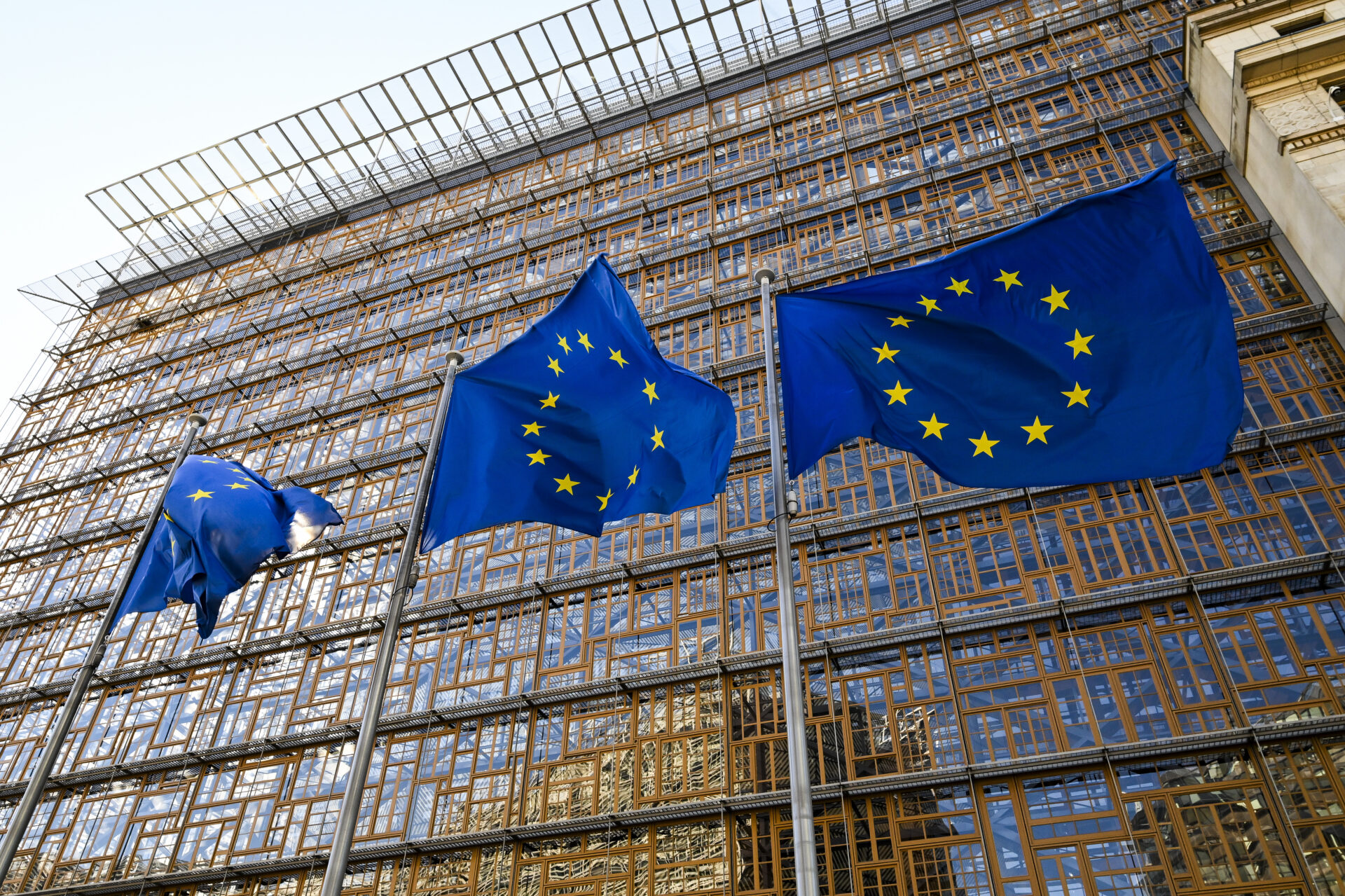
The EU’s next Multiannual Financial Framework will determine whether Europe remains a reliable partner in the world and whether sustainable development remains a shared and credible goal. This requires a strong Global Europe Instrument.
With the Sustainable Development Goals of the 2030 Agenda and the Paris Agreement, the international community set a course a little over ten years ago: it pledged shared responsibility in the fight against poverty, hunger, injustice and climate change. A decade later, this consensus is history. Authoritarian political and economic forces have gradually eroded this commitment. Europe is now looking for new alliances and partnerships around the world – for a new approach that can provide fresh impetus to counter these setbacks. To this end, the right framework conditions must now be created within the European Union. And, as always, it comes down to money – a lot of money. How much it will be and what it will be used for has been under negotiation among the EU member states for several months – in Brussels, Strasbourg and the capitals of the Union.
The European Union’s budget is set out in the so-called Multiannual Financial Framework (MFF). Last year, the current European Commission under Ursula von der Leyen presented a draft for the period 2028 to 2034, with a total volume of almost €2 trillion. The European Parliament has called for an even larger financial framework. Ireland, which currently holds the Presidency of the Council of the EU, is expected to present a new negotiating draft. Under pressure from a number of member states, this draft is set to come in well below the €2 trillion mark. The aim is to reach agreement in principle among the member states by the end of 2026, before detailed negotiations begin. The goal is for the budget to enter into force as planned on 1 January 2028.
Funding for international cooperation – which includes humanitarian aid and development cooperation, but also cooperation with Europe’s neighbourhood – is governed by the Global Europe Instrument. The Commission’s draft earmarks around €200 billion for this over seven years. The European Parliament has recommended €225 billion.
In current debates, at both national and European level, protectionist self-interest is playing an ever greater role in international cooperation. It is expected to curb migration, serve domestic economic interests or function as a security instrument. As civil society, we firmly oppose this approach. International cooperation must first and foremost aim to tackle poverty, hunger and injustice. To prevent this shift in discourse from shaping the European Union’s political decisions, VENRO is closely following the budget negotiations. We do so, on the one hand, together with our partners in CONCORD, the European confederation of development NGOs. On the other hand, we are in dialogue with the German government, urging it, as one of the financially strongest member states, to champion strong international cooperation. Germany’s voice carries weight in these negotiations.
Europe should continue to stand up for values such as solidarity and partnership in international cooperation. That is why CONCORD and VENRO have set out clear expectations of the German government with regard to the Multiannual Financial Framework:
- Reducing poverty and injustice must remain the central focus of the Global Europe Instrument.
- The Global Europe Instrument must retain its fair share of the EU budget. We welcome the European Parliament’s proposal to make €225 billion available in the next MFF.
- Clear targets are needed for specific spending areas within the Global Europe Instrument. These include:
a. 50 per cent of ODA must go to human development (health, education, social protection).
b. 0.2 per cent of gross domestic product must be invested in the Least Developed Countries – where needs are greatest.
c. 50 per cent of ODA must go to fragile and conflict-affected states. - International cooperation must not become an instrument for preventing migration or returning migrants.
- The Global Gateway instrument must remain complementary to grant-based funding and must not replace it.
- Supporting and involving civil society must remain a central part of the Global Europe Instrument. At least 15 per cent of the funds should remain accessible to civil society.
- Programmed and flexible funding should be in a ratio of 80 to 20 per cent. €25 billion must be ring-fenced for humanitarian action.
In addition, funding is needed to strengthen European and international solidarity and our democratic society. These are the foundation of how we live together in Europe and shape the way we see the world. The concept of Global Citizenship Education must therefore be strengthened. Educational work in schools, in informal learning and in dialogue with people across Europe is a core task of civil society. Anyone who wants strong international cooperation must therefore also strengthen the relevant actors and structures in this area.
The European Union and Germany, as a member state, have it in their power to put the right instruments in place with an ambitious financial framework.
Jan Wenzel is Head of the Strengthening Civil Society Department at VENRO.
| Jan Wenzel |  |
VENRO |
Die Inhalte auf dem VENRO-Blog geben Meinungen und Einschätzungen unserer Autor_innen wieder. Sie können von abgestimmten VENRO-Positionen abweichen.